
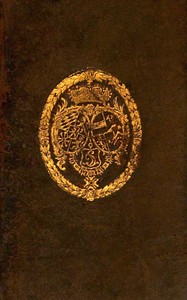
Essais d'un dictionnaire universel by Antoine Furetière
Read "Essais d'un dictionnaire universel by Antoine Furetière" Online
This book is available in the public domain. Start reading the digital edition below.
START READING FULL BOOKBook Preview
A short preview of the book’s content is shown below to give you an idea of its style and themes.
Let's set the scene. In the 1600s, the French Academy was slowly, painstakingly compiling the first official dictionary of the French language. It was a prestigious but glacial project. Enter Antoine Furetière, an Academy member, novelist, and a man with a bigger, bolder idea. He didn't just want to list elegant, literary words for the elite. He wanted a 'universal' dictionary that included the language of everyday life: the specialized terms of artisans, merchants, scientists, and craftspeople. Think of it as wanting to document not just the poetry, but the plumbing manual.
The Story
Furetière worked for decades on his 'Essais' (or 'Attempts' at a universal dictionary). He gathered terms from every trade and field he could find. But when he sought permission to publish his work, his fellow Academicians were furious. They saw it as a betrayal, a shortcut that threatened their own official—and much slower—project. They accused him of stealing their work and violating the Academy's rules. What followed was a bitter, public feud. Furetière fought back with pamphlets and appeals, but in the end, he was kicked out of the very Academy he had served. The 'Essais' we have today is the fascinating, unfinished blueprint of his grand vision, published after his death, standing as a record of what he tried to accomplish against immense institutional pressure.
Why You Should Read It
This isn't a book you read cover-to-cover like a novel. You dip into it. And when you do, you're not just reading definitions; you're getting a time capsule. You learn what a 17th-century printer called his tools, or how a baker described his oven. It's history from the ground up. But the real pull for me is Furetière himself. He comes across as a stubborn, passionate figure who believed language belonged to everyone, not just scholars in a room. Reading his 'Essais' feels like rooting for the guy who wanted to build Wikipedia when everyone else was carefully handwriting a single encyclopedia.
Final Verdict
This is a niche but utterly rewarding read. It's perfect for history buffs who love social history, for word nerds obsessed with etymology, and for anyone who enjoys a great story about creative rebellion. It's not a light beach read, but for the right reader, it's a captivating look at a forgotten battle that helped shape how we think about language itself. You come away with a new appreciation for the humble dictionary—and the drama that can be hidden between its lines.
This title is part of the public domain archive. You can copy, modify, and distribute it freely.


Ethan Lee
1 year agoIf you enjoy this genre, it creates a vivid world that you simply do not want to leave. Highly recommended.